

Summer track days are something special. Longer daylight hours, warmer temperatures and typically dry circuits often create some of the best driving conditions of the year. For many enthusiasts, these events are the highlight of the track day calendar. The paddock atmosphere is relaxed, the weather is generally more predictable, and grip levels can be exceptional.
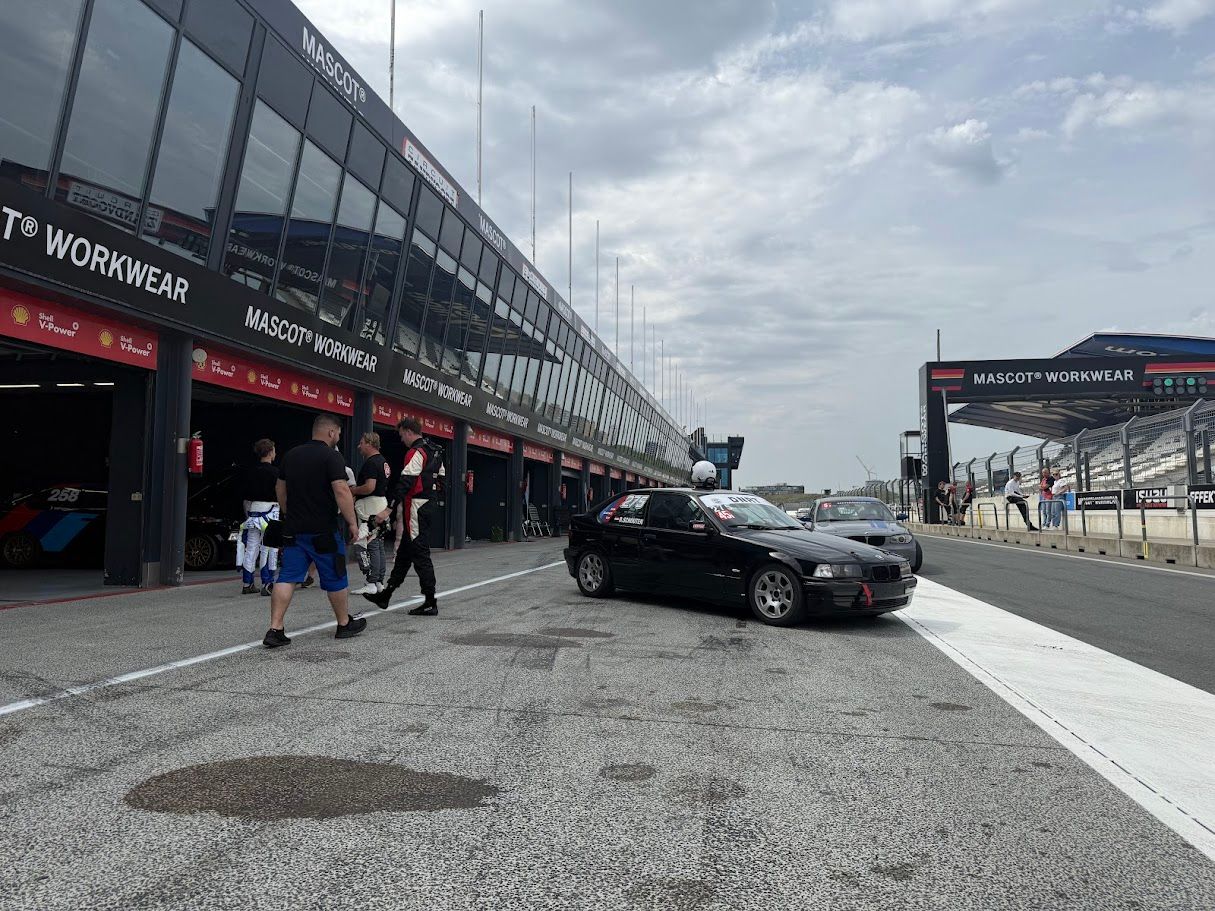
However, summer track days also demand a little more respect. Heat affects not just the driver, but the tyres, brakes, engine and drivetrain as well. The quickest way to spoil an otherwise perfect day is to underestimate what high temperatures can do to both car and driver.
Tyres are often the first thing you'll notice. During cooler months, it can take several laps to bring them up to temperature. In summer, they reach their operating window much more quickly. The trade-off is that pressures can rise dramatically during a session. A car that feels perfectly balanced leaving the pit lane may start to feel less precise after a few hard laps as tyre pressures climb. Checking and adjusting pressures between sessions should become part of your routine, helping maintain grip, consistency and tyre life throughout the day.
Brakes face a similar challenge. Higher ambient temperatures reduce their ability to shed heat, particularly during repeated hard use. If your brake fluid is overdue for replacement or your pads are nearing the end of their life, a hot summer track day will quickly expose any weaknesses. A long pedal, reduced bite or signs of fade should never be ignored. A quick inspection between sessions is time well spent.
Cooling systems also come under greater strain. Modern performance cars are incredibly capable, but sustained high-speed running in hot conditions places significant demands on engine and oil cooling. Keep a close eye on temperatures and don't be afraid to back off for a lap if things start creeping upwards. Missing a few minutes of track time is far preferable to facing an expensive mechanical repair.
Perhaps the most overlooked component on any track day is the driver. Spending time in a helmet, strapped into a hot car, can be surprisingly draining. Dehydration and fatigue reduce concentration and slow reactions long before you feel genuinely thirsty. Start hydrating before you arrive at the circuit and continue drinking regularly throughout the day. A few minutes in the shade between sessions can make a noticeable difference to both comfort and performance.
One mistake many drivers make in the summer is trying to maximise every available minute of track time. Just because conditions are good doesn't mean every session needs to be flat out. In reality, shorter, higher-quality runs often deliver more value. A focused 15-minute session with fresh tyres, consistent brakes and a sharp driver is usually more productive than a longer stint where temperatures are climbing and concentration is beginning to fade.
The beauty of summer track days is that they often deliver the fastest laps and the most enjoyable driving of the season. The key is recognising that heat changes the equation. Monitor tyre pressures, keep an eye on temperatures, look after your brakes and, most importantly, look after yourself.
Get those basics right and you'll enjoy everything summer track days have to offer: more grip, more confidence and some of the best laps of the year.